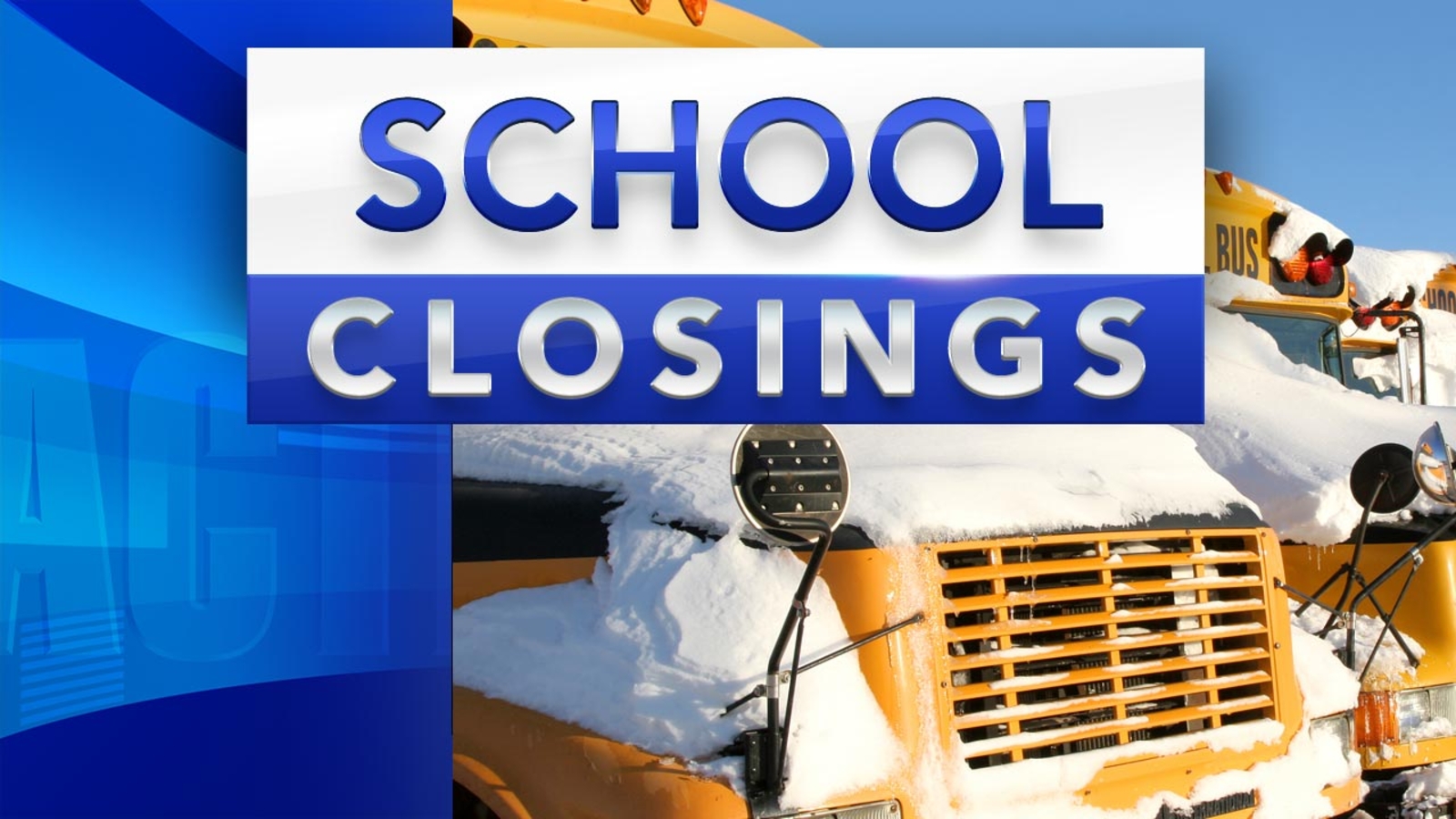
School Closures Tomorrow: What Parents And Students Need To Know - Encouraging children to take responsibility for their learning can foster independence and self-motivation. Provide guidance and support while allowing them to explore subjects of interest. Weather-related school closures are among the most common types of disruptions. Schools often announce closures due to snowstorms, icy roads, or extreme temperatures. Parents should stay informed through local news channels, school websites, and social media platforms.
Encouraging children to take responsibility for their learning can foster independence and self-motivation. Provide guidance and support while allowing them to explore subjects of interest.
In recent years, health concerns such as pandemics or outbreaks of contagious diseases have led to widespread school closures. These closures prioritize the health and safety of students and staff, minimizing the spread of illness.

By adopting these strategies, students can remain engaged and productive during school closures.
Clear and timely communication is crucial during school closures tomorrow. Schools should utilize multiple channels to inform parents and students about closures, including emails, text messages, and social media updates.
Parents and students can work together to establish a structured routine that supports remote learning during closures.
Staying informed about health guidelines and following safety protocols is essential during these times.
Parents play a vital role in helping their children adapt to school closures tomorrow. By implementing effective strategies, they can ensure a smooth transition and minimize disruptions.
We encourage you to share your experiences and tips in the comments section below. Additionally, feel free to explore other articles on our website for more valuable insights and advice. Together, we can ensure a smooth transition during school closures and support the continued education of our children.
Create a plan that outlines alternative childcare arrangements, remote learning strategies, and communication channels with the school. Regularly review and update this plan to ensure it remains relevant and effective.
Problems with school infrastructure, such as power outages, plumbing issues, or building damage, may necessitate closures. Addressing these concerns ensures a safe and conducive learning environment for all.
When schools close, alternative learning options can help students continue their education. Online platforms, educational apps, and remote learning tools provide valuable resources for maintaining academic progress.
Despite these challenges, there are strategies to mitigate the negative effects of school closures on education.